From Classroom Insight to Real Impact – About Me:
Link to Resume: CPC Resume Revision.docx
Professional Focus
I combine coursework in finance and risk management with case competition experience and peer mentoring to develop responsible, client-focused financial strategies.
Certifications & Licensure
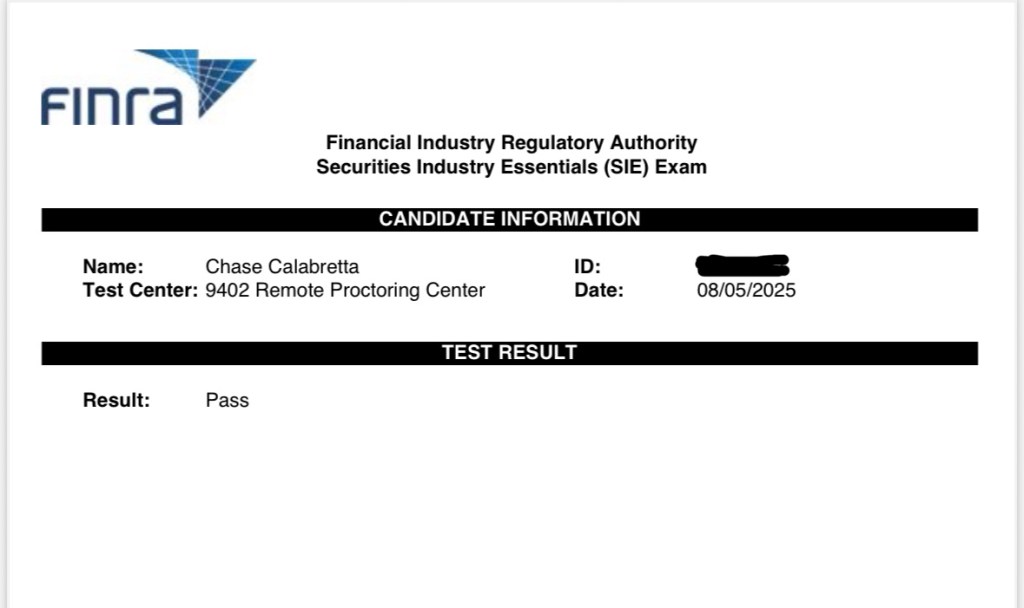
This past summer, I passed the Securities Industry Essentials (SIE) Exam, building a strong foundation in financial products and regulatory frameworks. I plan to continue expanding my credentials by pursuing the NASAA Series 66 and Life and Health (LAH) Insurance Exams this summer.
Applied Experience
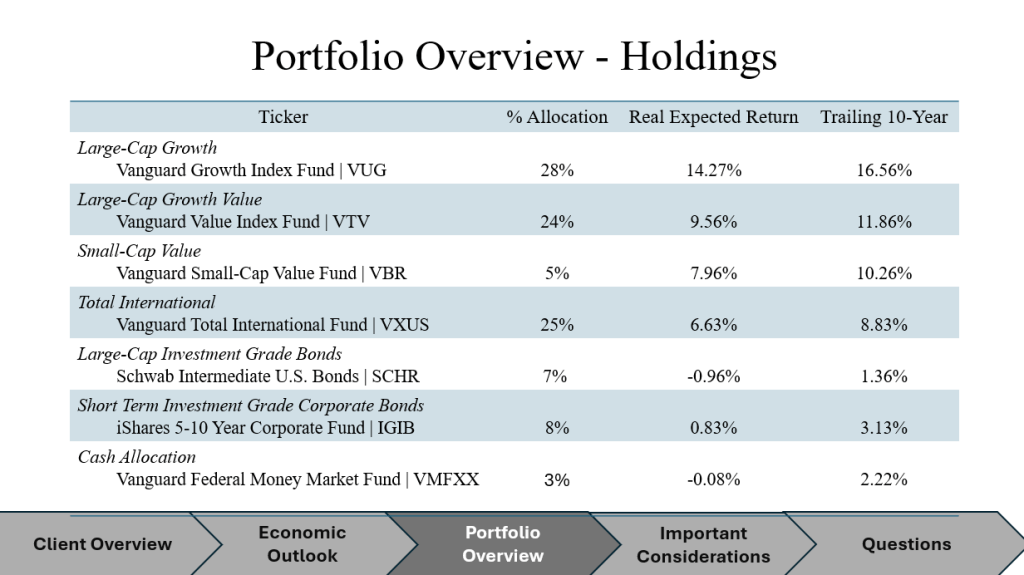
The portfolio overview below highlights my work from a case competition I recently won at the Smeal College of Business, demonstrating my ability to apply financial concepts in a practical, results-driven setting.


This summer I will interning at Goodville Mutual Casualty Company in New Holland, PA as a Rotation Intern. I will be gaining experience in the accounting, cliams, marketing, and underwriting divisions over the course of 10 weeks at company that has been operating for over 150 years.
Services
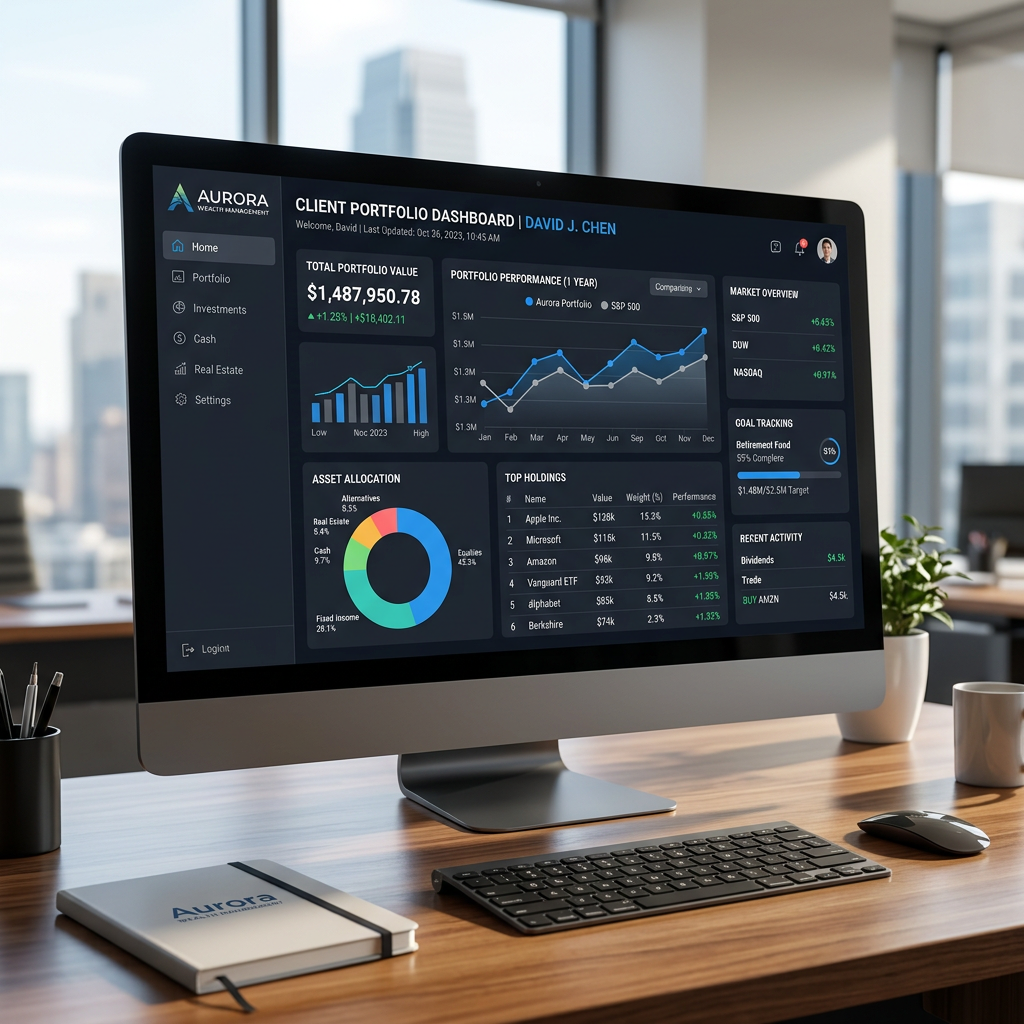
Personalized budgeting support, starter investment education, and goal-based planning sessions designed for students and early-career professionals seeking financial clarity.
Skills:
Financial Analysis, Financial Modeling, Portfolio Construction, Risk Management Frameworks, AI Applications in Finance, Teamwork, Communication,
Recent Market Headlines I Have Been Following
Why The Middle East Still Drives Market Risk
A Critical Oil Chokepoint
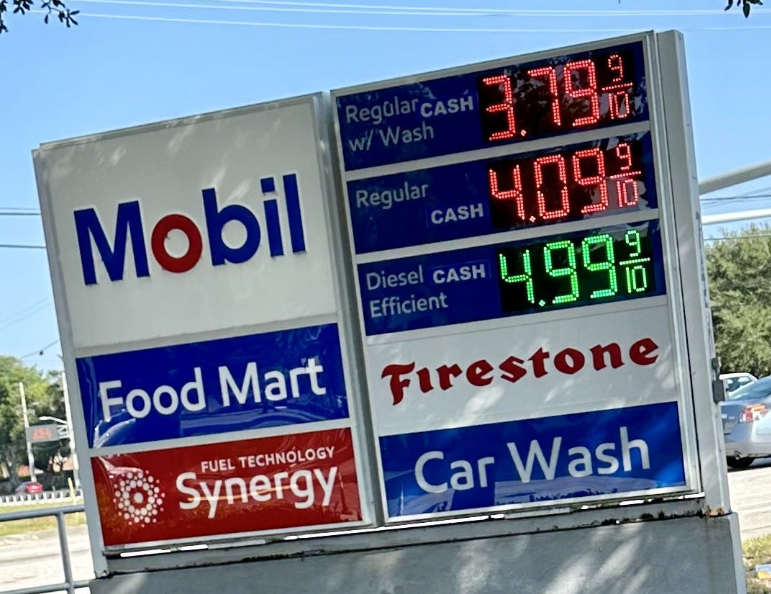
Tensions in the Middle East continue to influence global markets, particularly through the Strait of Hormuz—one of the world’s most important oil transit routes. According to The Wall Street Journal, U.S. and Iranian officials are considering renewed talks, raising hopes that conflict escalation may be avoided. Even so, the mere threat of disruption has already impacted oil flows and pricing expectations.
Market Reaction vs. Reality
Markets have recently rebounded from their March lows, suggesting investors may be pricing in a more optimistic geopolitical outcome. However, this rebound could be premature. Energy markets remain highly sensitive to supply shocks, and any breakdown in negotiations could quickly reverse recent gains. From a financial perspective, this highlights how markets often react not just to events, but to expectations about those events.
A Risk Management Perspective
From a risk management standpoint, this situation reinforces the importance of monitoring geopolitical exposure. Energy price volatility feeds directly into inflation, corporate costs, and ultimately equity valuations. Investors who ignore geopolitical risk may underestimate how quickly external shocks can ripple through financial systems. In my view, the Middle East remains one of the most underappreciated drivers of short-term market risk.
Source:
Article | WSJ: Trump Says Talks with Iran May Happen This weekend
Inflation Pressure Are Far From Over
Energy Is Driving the Story
Recent inflation data shows that price pressures are still persistent, with CPI rising 3.3% year-over-year and accelerating on a monthly basis. Much of this increase is tied to rising energy costs, which have been affected by geopolitical tensions. Reporting from The Wall Street Journal highlights that companies like PepsiCo are already warning that conflict-related disruptions will push inflation higher.
Broader Economic Impact
Energy-driven inflation is particularly concerning because it spreads across the entire economy. Higher fuel costs increase transportation expenses, raise production costs, and even impact agricultural inputs like fertilizer. This creates a ripple effect that makes inflation more persistent and difficult to control. Unlike demand-driven inflation, supply shocks are harder for policymakers to address quickly.
Why This Matters for Markets
In my view, inflation remains the biggest threat to the current bull market. Higher inflation typically leads to higher interest rates, which reduce equity valuations and pressure corporate earnings. From a financial analysis standpoint, this creates a challenging environment where both growth and profitability are at risk. Investors should be cautious about assuming inflation will decline quickly, especially given ongoing geopolitical uncertainty.
Source:
Artcile | WSJ: Inflation Will Come’ From Iran War, PepsiCo Says
What Bank Earnings Reveal About The Economy
Strong Headlines, Mixed Details
Early bank earnings this season have generally been strong, with many large institutions reporting solid revenue and resilient loan performance. According to The Wall Street Journal, growth has been supported by trading activity, investment banking, and fee-based income. On the surface, this suggests that the financial sector remains stable.
Underlying Challenges
Despite strong revenue, not all signals are positive. Net interest income has been mixed, largely due to elevated funding costs and uneven loan growth. This indicates that while banks are still profitable, they are facing pressure from the current interest rate environment. Additionally, loan demand varies across sectors, pointing to uneven economic strength.
Interpreting the Signals
Bank earnings are often viewed as a leading indicator of economic conditions because they reflect both consumer behavior and business activity. From a risk perspective, the mixed results suggest that the economy is stable but not necessarily strong. While regulatory easing may provide banks with more flexibility, underlying uncertainties remain. For investors, this reinforces the importance of looking beyond headline numbers and focusing on the quality and sustainability of earnings.
Source:
Article | WSJ: Five Things We Learned From Bank Earnings
Visit us:
State College, Pennsylvania
Hours
Monday–Friday 9 AM – 5 PM
Phone
555-123-4567

 Chase Calabretta | Student at Penn State's Smeal College of Business